Sourcing custom tin tie paper bags is rarely just a matter of choosing kraft paper and adding a metal closure. The final package depends on a chain of decisions — product type, bag dimensions, paper grade, inner lining, closure, window, printing, filling requirements, and order volume.
For a coffee roaster, bakery, snack brand, or packaging distributor, getting one of these specifications wrong can mean poor fit, grease penetration, weak bag construction, or a package that does not perform as expected after filling.
This guide walks through those decisions in the order a buyer typically encounters them. By the end, you should have a practical specification sheet that can be sent to manufacturers and used to compare quotations on the same basis.
Key Takeaways
- Start with the product. Your product type, fill weight, density, shelf-life and filling process determine the bag structure and material requirements.
- Choose the size through testing, not fill weight alone. Width, gusset and height should be confirmed with the actual product to ensure proper capacity, headspace and shelf presentation.
- Match the paper and inner liner to the product. Kraft paper provides the outer appearance, while grease, moisture and oxygen protection depend on the specific paper treatment or inner structure.
- Specify the complete bag, not just the tin tie. A sourcing specification should cover the paper, liner, dimensions, bottom structure, tin tie, window, printing and any additional features such as a coffee valve.
- Approve the sample before comparing or placing the final order. Test the filled bag for capacity, closure performance, appearance and product protection.
- Lead times. Plan 25–45 days for a first custom order including tooling and proofing; repeats often run 15–25 days.
- Two documents to always request. a food-contact Declaration of Conformity with layer-by-layer material identification, and a current quality system certificate (ISO 22000, ISO 9001, or BRCGS).

What Is a Tin Tie Paper Bag?
A tin tie paper bag is a paper-based bag with a flexible metal strip integrated near the top opening. After the bag is opened, the upper section can be folded down and secured with the metal tie, allowing the consumer to reseal the package between uses.
The format is particularly attractive when a brand wants the appearance of paper packaging combined with reusable closure functionality.
However, the basic paper-and-tin-tie construction can be modified substantially depending on the application. Current commercial products range from simple low-barrier paper bags to paper bags with polypropylene, PET or PLA-based inner structures, windows and other features.
Tin Tie Paper Bag Anatomy
A typical custom tin tie bag can be divided into several specification areas:
- Outer paper
- Inner liner or coating
- Tin tie closure
- Bag body
- Bottom structure
- Optional window
- Printing and surface finish
Each part affects the final cost and performance. For example, a natural kraft bag without a liner is very different from a printed kraft bag with a grease-resistant inner layer and clear window. When comparing supplier quotations, make sure the quotation describes these components rather than simply saying “food-grade kraft paper bag.”

Material Substrates & Barrier Laminates (The Technical Breakdown)
Selecting the correct material combination is the most crucial step in preventing grease leakage and preserving product freshness.
Outer Paper Substrates
- Brown Natural Kraft Paper (60–120 GSM): Delivers a rustic, organic, eco-friendly aesthetic. Ideal for organic foods, specialty coffee, and artisan bakeries.
- Bleached White Kraft Paper (60–120 GSM): Provides a clean, high-contrast canvas. Best for vibrant graphics, photographic printing, and modern retail brands.
- Greaseproof Paper: Specifically treated paper fibers that resist oil absorption without needing extra film lamination. Ideal for short-term bakery items.
Inner Barrier Linings
Paper alone offers zero barrier against oxygen, humidity, or oil migration. Choose your inner lining based on product sensitivity:
| Lining Type | Barrier Level | Key Advantage | Best Application |
| Unlined (Pure Paper) | None | 100% Recyclable / Bio-degradable | Dry goods consumed within 1–3 days (Bread, popcorn) |
| PE (Polyethylene) Film | Medium Moisture & Oil | Heat-sealable, cost-effective | Retail cookies, nuts, dried fruits, retail snacks |
| PLA (Polylactic Acid) | Medium Moisture & Oil | Bio-based polymer (Compostable) | Sustainable food packaging applications |
| Foil / PET Barrier | High Oxygen, Moisture & Light | Maximum shelf-life preservation | Export-grade roasted coffee, sensitive teas |

Coffee Tin Tie Bags Need Special Attention
Coffee is one of the most important applications for tin tie bags, but it also illustrates why the closure should not be confused with the packaging barrier.
Freshly roasted coffee releases carbon dioxide after roasting. At the same time, oxygen and moisture can affect coffee quality during storage and distribution.
For this reason, a coffee package may combine several functions:
| Component | Primary Function |
| Tin tie | Consumer resealing |
| Barrier structure | Oxygen and moisture protection |
| Heat seal | Initial package sealing |
| One-way valve | CO₂ release |
A basic tin tie bag may be suitable for some short-life or lower-barrier coffee applications, but freshly roasted coffee intended for longer distribution may require a more protective structure.
When requesting a tin tie coffee bag quotation, tell the supplier the roast type, fill weight, target shelf life, distribution market and whether a degassing valve is required. This gives the manufacturer enough information to recommend an appropriate structure.
Tin Tie With Window or Without Window?
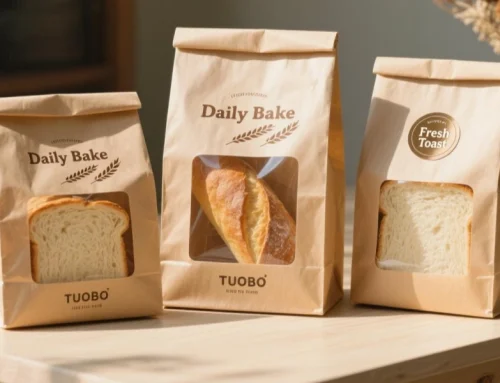
A window is primarily a merchandising feature. It can be useful when consumers benefit from seeing the actual product, particularly for cookies, candy, bakery products, nuts, granola and some coffee products.
A window can also reduce the amount of printable area available on the front of the package and may not be appropriate when maximum light or barrier protection is required.
Consider a window when:
- Product appearance helps sell the product
- Consumers need to see the contents
- Shelf presentation is important
Consider a solid printed front when:
- Barrier protection is the priority
- Light sensitivity matters
- Branding requires a larger printable surface
- Product visibility adds little commercial value
The window should therefore be specified as part of the overall packaging design rather than added automatically.
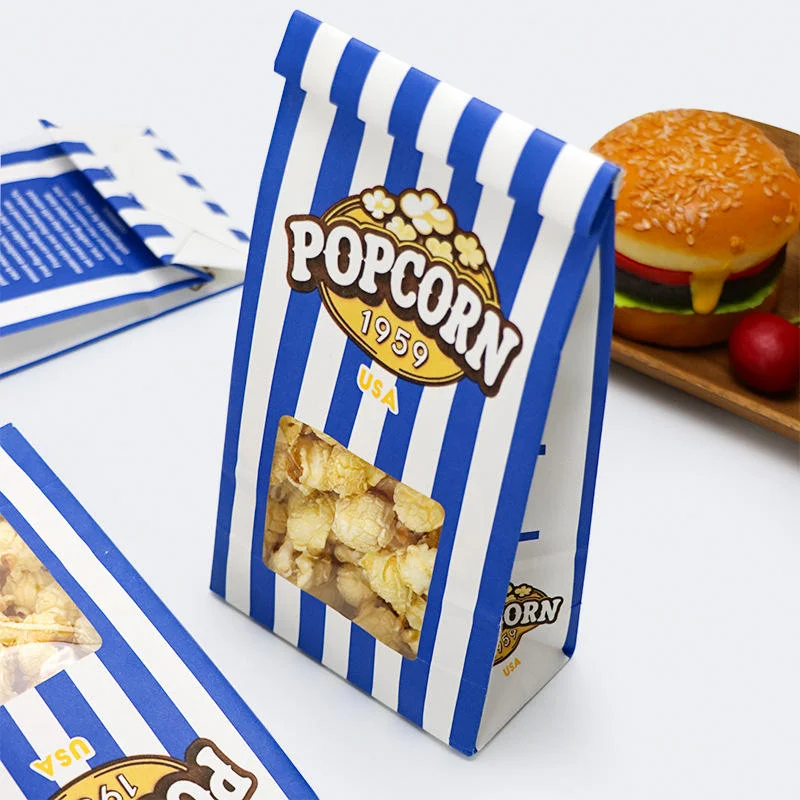
Choosing the Tin Tie Closure
The tin tie itself is relatively simple, but its construction affects usability.
During sampling, check whether the tie is securely attached to the bag and whether the top folds naturally without excessive tearing. The closure should also remain functional after repeated opening and closing. For wider bags, heavier products or frequent consumer use, closure construction deserves additional attention.
A good sample evaluation should include several open-and-reseal cycles rather than simply checking whether the bag closes once.
When Should You Add a Heat Seal?
Heat sealing and tin tie closures serve different purposes. The heat seal provides the initial sealed package, while the tin tie provides consumer resealing after opening.
This combination can be useful when the product requires stronger initial protection but the brand still wants the traditional convenience of a tin tie closure.
For products with demanding shelf-life requirements, the supplier should evaluate the heat-seal layer, sealing temperature, seal width and compatibility with the filling process.
Do not assume that every paper tin tie bag can automatically be heat sealed. The material structure needs to be designed for the sealing process.
Printing and Custom Branding
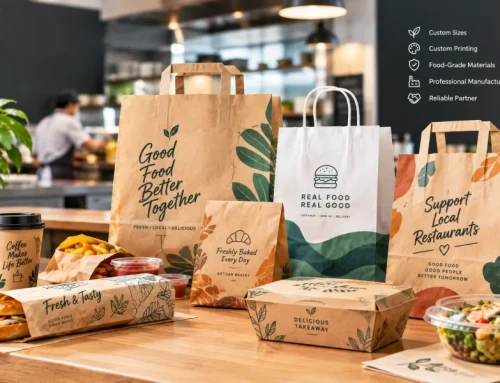
Custom printing transforms tin tie paper bags from generic commodity packaging into a high-impact retail branding asset. The choice of printing technology, substrate, and surface treatment directly affects unit cost, visual presentation, and production lead times.
Selecting the right printing process depends on six core variables: order volume, number of SKUs, artwork complexity, color precision requirements, substrate choice, and target budget.
Primary Printing Technologies
1. Flexographic Printing (Flexo)
Best For: Medium-to-large production runs with 1 to 6 spot vector colors.
Characteristics: Highly cost-effective for large volumes with straightforward graphics, logos, and line art. Flexo offers fast production speeds and low unit costs once plates are set up.
2. Offset Printing
Best For: Complex, high-precision artwork and photo-realistic graphics.
Characteristics: Excellent color fidelity and sharp detail reproduction on sheet-fed paper prior to bag converting and folding.
3. Digital Printing
Best For: Low-volume orders, short lead times, and multi-SKU testing.
Characteristics: Ideal for seasonal packaging, promotional campaigns, frequent design updates, or brand launches. Digital printing eliminates plate setup costs, allowing you to validate designs on actual bags before committing to mass production.
Surface Finishes & Decorative Enhancements
To complete your custom design, select a protective varnish or decorative accent:
- Matte Varnish: Soft-touch, non-reflective finish that complements natural brown kraft paper for an organic, artisanal aesthetic.
- Gloss Varnish: High-shine coating that enhances color saturation and visual pop for modern retail displays.
- Specialty Treatments: Premium options such as Metallic Hot Foil Stamping (Gold/Silver/Rose Gold), Spot UV highlights, or custom texture embossing.
Substrate Impact on Ink Reproduction
- Natural Brown Kraft: Absorbs ink more readily and alters underlying color tones. Best suited for bold, dark vector artwork and minimalist designs.
- Bleached White Kraft: Provides a clean, neutral canvas necessary for accurate CMYK photographic printing and vibrant Pantone color matching.
Food-Contact and Compliance Documentation
For food packaging, buyers should distinguish between “food-grade” as a marketing description and actual supporting documentation.
Depending on the target market and material structure, documentation may include:
- Food-contact compliance statement
- Material specification
- Migration test information where applicable
- FDA-related documentation for applicable U.S. food-contact materials
- EU food-contact documentation where applicable
- FSC documentation if certified paper is specified
- Factory quality-management certificates
The exact documentation required depends on the materials, product, intended food contact and destination market.
MOQ, Lead Times & Cost Drivers
Unit pricing, minimum order quantities (MOQs), and production lead times for custom tin tie bags depend directly on your material selection, structural features, and manufacturing setup.
MOQ Realities at a Glance
If you order a fully custom bag (custom dimensions, specific barrier film, or full-bleed printing), factories typically require an MOQ of 5,000 to 10,000 pcs per SKU. This is due to three basic production principles:
- Material Roll Efficiency: Paper and barrier films come in wide master rolls. Custom dimensions require slitting rolls to precise widths; small orders leave unusable scrap waste.
- Setup & Calibration Waste: High-speed automatic bag-making machines require hundreds of meters of paper to adjust tension, gluing, and folding alignment before regular production starts. On small runs, calibration waste would exceed the order itself.
- Fixed Tooling Amortization: Flexo/gravure press setup and plate creation require manual labor and machine downtime, which must be spread across larger quantities to keep unit costs reasonable.
Standard Production Timelines
- Structural & Digital Samples: 1 to 3 business days (Essential for volumetric fill testing before mass production).
- Mass Production: 7 to 15 business days (Starts after final sample and proof approval).
- Transit Time: 5–7 days (Air Express) / 20–35 days (Ocean Freight).
Primary Cost Drivers
Unit costs are primarily dictated by four core manufacturing factors:
- Substrate & Liner Selection: Higher paper weights (GSM), specialty bio-films (PLA), greaseproof coatings, or multi-layer high-barrier laminates (Foil/PET) increase raw material costs compared to simple uncoated Kraft paper.
- Structural Add-ons: Integrating custom die-cut windows, one-way coffee degassing valves, heat-seal top margins, or specialized tin tie colors requires additional inline tooling and assembly labor.
- Printing Technology & Plate Setup: Cylinder and plate setup fees scale with artwork complexity, color count, and total SKU variations.
- Order Volume & Machine Efficiency: Larger run sizes dramatically reduce fixed setup costs per unit.
Sample Testing Before Mass Production
A physical sample is one of the most important steps in custom packaging sourcing.
The sample should be filled with the actual product at the intended weight.
Check whether the dimensions provide enough capacity and appropriate headspace. Then evaluate the bottom stability, overall appearance and shelf presentation.
The tin tie should be opened and resealed several times. For products containing oil or moisture, also check whether the selected paper structure provides the required resistance.
If the bag includes a window, heat seal or degassing valve, test these features as part of the same sample approval process.
The goal is to approve the complete packaging system, not simply the empty bag.
What to Include in Your RFQ
A manufacturer can usually quote much more accurately when the initial inquiry contains the key product and packaging information. Example:
Product: Roasted coffee beans
Fill weight: 500 g
Target shelf life: 6–12 months
Market: USA
Bag type: Tin tie side-gusset bag
Size: To be recommended and confirmed by sample
Paper: Brown kraft
Liner: High-barrier structure recommended
Tin tie: Required
Heat seal: Required
Degassing valve: Required
Window: No
Printing: Front and back, 4 colors
Quantity: 20,000 pcs per SKU
Sample: Required before mass production
If you do not know the exact size or material, do not guess. Providing the product, fill weight, application and target shelf life allows the manufacturer to recommend a starting structure and sample specification.
Common Sourcing Mistakes & How to Avoid Them
Assuming Raw Kraft Paper Is Greaseproof
- The Mistake: Expecting standard Kraft paper to resist oil migration from butter cookies or roasted nuts.
- The Fix: Explicitly request greaseproof-treated paper or an internal PE/PLA liner whenever your product contains fats or oils.
Treating a Tin Tie as an Airtight Seal
- The Mistake: Relying solely on a tin tie to maintain long-term freshness and prevent oxidation during transit.
- The Fix: Separate initial sealing from consumer re-closure. Use an impulse heat seal at the top rim for initial airtight protection, leaving the tin tie for post-opening use.
Adding Clear Windows Without Assessing Light Sensitivity
- The Mistake: Adding windows to increase shelf display without considering UV/light degradation on sensitive foods like coffee or specialty teas.
- The Fix: Reserve clear windows for visual, light-stable products (candy, cookies, dry snacks) where consumer visibility drives buying decisions.
Comparing Supplier Quotes Without Normalizing Specs
- The Mistake: Choosing the lowest unit quote without realizing the cheaper supplier used thinner paper (GSM), an unlined structure, or lower-grade printing.
- The Fix: Compare RFQs line-by-line across paper grammage, barrier film composition, tin tie wire quality, and shipping terms (FOB vs. CIF).
Bypassing Physical Sample Testing
- The Mistake: Approving mass production based only on digital artwork proofs.
- The Fix: Always request physical factory samples to perform volumetric fill tests, repeated wire-bending tests, and 72-hour grease migration checks before placing bulk orders.
Frequently Asked Questions
Can tin tie paper bags be recycled?
Plain unlined paper bags with tin ties can be recycled if the metal tin tie strip is peeled off prior to disposal. Laminated paper bags (with PE or Foil liners) require specialized multi-layer recycling streams.
Are tin ties factory-attached or peel-and-stick?
Both options exist. For high-volume commercial production, factory integrated tin ties are heat-bonded or glued during manufacturing for maximum durability. Self-adhesive peel-and-stick ties are available for low-volume manual operations.
How much headspace should I leave for folding the tin tie?
Always reserve at least 2.5 to 3.5 inches (65 mm to 90 mm) of empty space at the top of the bag. This allows enough paper area for 2 to 3 tight folds before bending the metal arms.
Source Custom Tin Tie Paper Bags From a Manufacturer
RBD Packaging manufactures custom tin tie paper bags for coffee, bakery, candy, snacks and other dry food applications, with customization available for bag size, paper material, printing and other structural requirements.
For an accurate quotation, send your product, fill weight, preferred dimensions, paper/liner requirements, printing artwork, window requirements, quantity and destination market.
This allows the manufacturer to recommend the appropriate structure rather than simply quoting a generic tin tie bag.